
How do you clean product-photo backgrounds without creating rough cutouts that fail later in listings or ads? The strongest workflow is to define the output use first, then review edge quality and export consistency before the batch moves downstream.
The best starting point on Dayfiles is the Images hub before switching into the live tool at Images by Dayfiles. That route works best when the batch already has a clear destination and the operator knows what kind of review the output will need.
When does remove backgrounds from product photos become the right image step?
This workflow comes up most often when a team is preparing files for:
- marketplace listings
- catalog updates
- campaign assets that need cleaner isolation
Each of those jobs has one thing in common: the output is meant to travel. That means the batch needs more than a quick edit. It needs a predictable handoff.
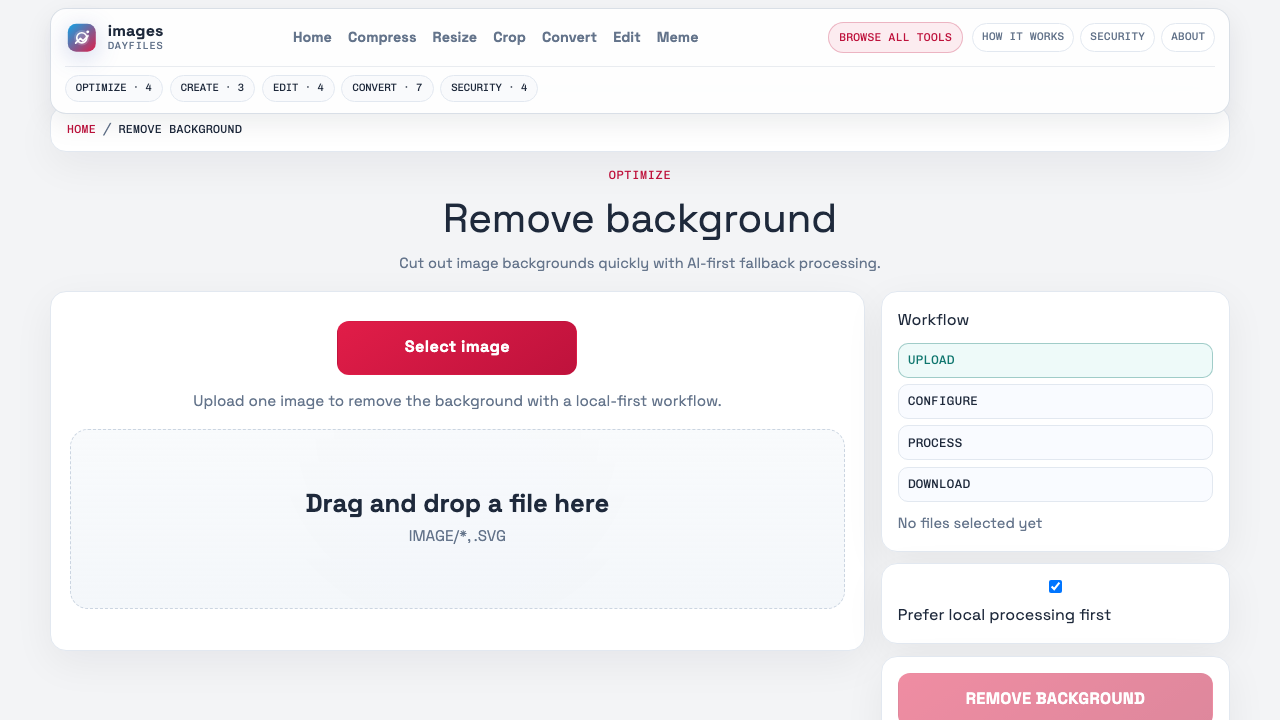
What should be decided before remove backgrounds from product photos starts?
Use this short preflight before loading the batch:
- decide whether the output is for a white background, transparent export, or another layout
- flag products with hairline edges or reflective surfaces
- confirm whether resizing or format conversion comes after background removal
Those decisions keep the batch consistent. They also make it easier to explain the output to the next reviewer instead of forcing them to reverse-engineer what changed.
A cleaner remove backgrounds from product photos route
- Open the Images hub and start the background-removal route.
- Load the images that belong in the same product batch.
- Run the cutout process and inspect difficult edges first.
- Review whether the result still supports the next step, such as resize or JPG conversion.
- Export the cleaned batch with naming that distinguishes it from the originals.
Running the workflow in that order reduces the two biggest risks in image handling: mixing source files with output copies and discovering a preventable quality problem only after the batch has already been sent onward.
Which files need the closest review after remove backgrounds from product photos?
Do not review every file with the same intensity. Slow down on the assets most likely to break the handoff:
- edge quality
- subject completeness
- background cleanliness
- readiness for the next export step
If those risk points are sound, the rest of the batch is usually much easier to trust.
How should the remove backgrounds from product photos handoff be packaged?
The next person should be able to tell which files are source assets, which files are the processed delivery batch, and what destination the batch was prepared for. Clear folder names and export labels matter because image work often gets reused in several systems after the first share.
That packaging step matters even more when the images will later be compressed again, dropped into a PDF, or handed to someone who was not part of the original edit. If the output set is not clearly labeled, the next operator may make a second round of edits on top of the wrong files.
What should happen right after the remove backgrounds from product photos export?
Do one short pass before the batch moves on:
- Open several representative files from the output set.
- Compare the output against one or two source files if the job is sensitive.
- Confirm the destination requirement was actually met.
- Store the batch in a folder that makes the output status obvious.
This four-step release pass prevents a surprising number of downstream problems. It catches naming issues, missed compression targets, awkward crops, and accidental quality loss before another system or teammate bakes those problems in.
Where does remove backgrounds from product photos usually stop being useful?
They lose value when they stop at “click this tool” and never explain what a good batch looks like afterward. The Dayfiles version of the workflow should stay useful even for someone who already knows where the button lives, because the real work is deciding which files need extra attention and what counts as a safe output.
What should the next system or teammate receive from remove backgrounds from product photos?
The receiving person should get a batch that is boring in the best possible way. The files should open the same way, follow one naming rule, and already match the destination constraint that triggered the work in the first place. If the next person has to ask which files are final or whether the originals were preserved, the workflow still needs work.
That matters because image tasks often chain together. A resized batch may later be compressed. A cleaned product photo may later be converted to JPG. A privacy-safe share set may later be moved into a report. The handoff quality on this step affects every later step.
When is it worth repeating the remove backgrounds from product photos pass?
Run it again only when the review reveals one specific correction target, such as the wrong dimensions, unacceptable compression, or a naming issue that would confuse the next handoff. Re-running the full batch without a clear reason often creates a second round of file sprawl and makes it harder to tell which output is authoritative.
More Dayfiles guides around remove backgrounds from product photos
- How to Resize Images in Bulk for Listings and Uploads
- How to Convert Images to JPG for Consistent Delivery
- eis social content production workflow
Before you release the remove backgrounds from product photos batch
The final question is not “Did the tool run?” It is “Would the next person know exactly what this batch is for, whether it is approved, and whether the originals are still safe?” If the answer is yes, the workflow is doing its job.
That is also what makes the page stronger editorially. A guide about remove backgrounds from product photos should help with the decision-making around the output, not only the button path that starts the process.