How do you turn HTML into a PDF without turning a simple file job into extra rework? The safest way through the task is to decide what the finished file needs to do, line up the checks that matter before export, and only then run the operation.
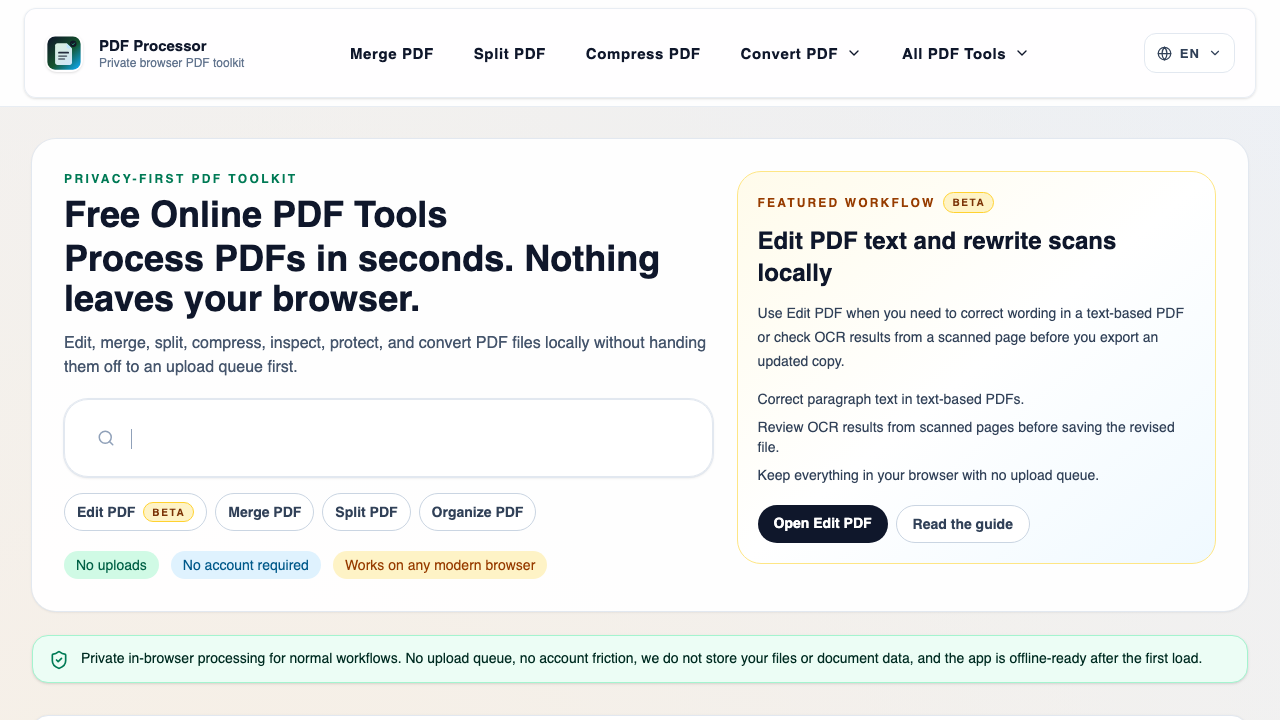
In the Dayfiles stack, the safest starting point is PDF Toolkit before opening the live route at PDF Dayfiles. That keeps the task grounded in the broader packet workflow instead of treating it like a disconnected one-click trick.
When does turn HTML into a PDF make sense?
Turn HTML Into A PDF is usually the right move when the next person only needs stable snapshot of a web-based layout. Common situations include:
- freeze a webpage or template for review
- export a generated report into a shareable file
- capture a formatted HTML deliverable before submission
The shared pattern across those jobs is that the file already matters. It is close to a portal upload, a client handoff, an internal approval round, or a packet archive. That is why the checks around the operation matter as much as the operation itself.
What should be settled before the turn HTML into a PDF run?
Before the file is loaded, decide the conditions for a good export:
- decide whether the page should be captured for screen reading or print reading
- check whether long sections need controlled page breaks
- remove temporary UI elements before export if they should not appear in the PDF
That short preflight prevents the most common mistake in browser tools: using the right feature on the wrong file, with the wrong destination in mind.
A safer turn HTML into a PDF sequence
- Open the HTML-to-PDF route from PDF Toolkit.
- Load or prepare the HTML source that needs to be exported.
- Check page width, section flow, and likely break points before export.
- Generate the PDF and review where headings, tables, and charts break across pages.
- Repeat only if the layout issue is clear; do not keep exporting without a specific correction target.
This sequence keeps the task specific. It avoids repeated exports, vague versioning, and the temptation to treat the first usable output as the finished delivery copy.
Failure points that matter in a turn HTML into a PDF job
Most rework comes from a few predictable failure modes:
- capturing web UI chrome that should not be in the PDF
- bad page breaks through tables or charts
- treating the first export as final without checking print flow
The fix is not more feature exploration. The fix is slowing down at the exact moment when the operator would otherwise assume the file is already good enough.
Release checks after the turn HTML into a PDF step
Use this quick release check:
- The PDF preserves the intended structure of the HTML source.
- Tables and visual sections break in sensible places.
- The exported file reads like a finished document, not a raw webpage capture.
If the destination is sensitive, time-limited, or tied to another person’s review queue, this check should happen immediately after export while the task context is still fresh.
What the next reviewer should see after turn HTML into a PDF
The next reviewer should receive a file that answers three questions immediately: what changed, whether the file is ready, and what still belongs to the source archive. That is especially important for turn HTML into a PDF because the operation often changes how the file behaves without changing the underlying subject matter.
If the file lands in a shared folder with no naming discipline, another person may not know whether they are opening the source version, the in-progress copy, or the final delivery output. Clean file names and a short handoff note can prevent that confusion without adding another heavy process layer.
When to pause instead of shipping the turn HTML into a PDF output
Pause if the file still needs content edits, if there is disagreement about the approved source, or if the destination requires a different output format than the one you are preparing. The fastest way to create avoidable rework is to use turn HTML into a PDF as a substitute for clarifying the actual delivery requirement.
Where turn HTML into a PDF sits in a broader file handoff
This task rarely lives alone. The turn HTML into a PDF step usually sits between source cleanup and a final review or delivery pass. Dayfiles works best when this route stays connected to the surrounding handoff logic instead of becoming an isolated click.
That broader logic stays the same even when the document changes: keep the approved source clear, run the operation once with intent, then review the output as if you were the recipient. When teams skip that last step, the tool may still work perfectly while the handoff fails anyway.
Next Dayfiles guides after turn HTML into a PDF
- docx to pdf without upload
- Confidential Client Report PDF Workflow for Delivery Teams
- PDF Toolkit Checklist for Reliable Document Delivery
Before you send the turn HTML into a PDF result
Treat the exported file as one step in a controlled handoff. Store the output with a readable name, keep the source version available if later changes are likely, and only move to the next channel when the file behaves the way the recipient expects.
The small discipline at the end of the workflow is what gives the whole task its value. The feature click is quick. The trustworthy handoff is the part worth protecting.
For this kind of PDF work, originality comes from the operator knowing exactly what the recipient will notice first. That is why the best version of the workflow is not just “how to run the tool.” It is how to produce an output that another person can trust immediately.